Game Art Outsourcing Studio: What Separates a Real Partner From a Vendor
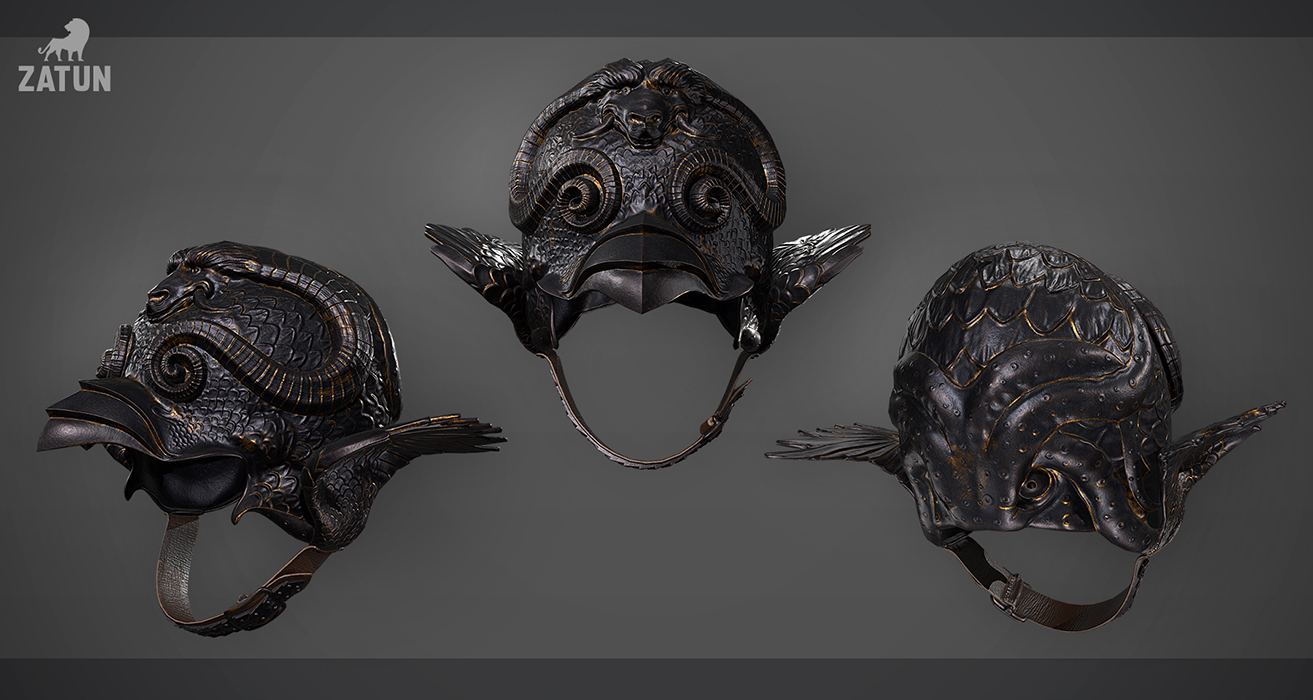
Every studio head we meet has some version of the same story. They found an art vendor with a gorgeous portfolio and a quote that made the budget spreadsheet sing. Twelve weeks later they were rebuilding a third of the assets in house, the milestone had quietly slipped, and somebody was having a very careful phone call with the publisher.
That story is not an argument against outsourcing. It is an argument against outsourcing to the wrong people. The difference between a game art outsourcing studio that saves your production and one that quietly eats it is not talent. It is almost never talent. It is process, communication, and whether the people on the other end of the call understand what your milestone actually has to survive.
We have been on the delivery side of that relationship since 2007, working with publishers and developers across the US, the UK, Europe, and Australia. So here is an honest guide to choosing a game art outsourcing partner, written by the people who have to earn that trust every quarter.
What a game art outsourcing studio actually does
There is a lazy assumption that outsourcing means renting hands. Send a brief, receive a model, pay an invoice. That is a marketplace, and marketplaces are fine for one off assets.
A studio is a different animal. A studio holds your art direction across dozens of assets and multiple artists so the twentieth character still looks like it belongs beside the first. It works inside your pipeline, your naming conventions, your engine, your version control. It runs its own internal reviews before anything reaches you, so your art director spends time directing rather than catching errors that should never have shipped.
Put simply, a marketplace gives you assets. A studio gives you production capacity you did not have to hire, onboard, or manage.
Vendor or partner: the difference shows up in your milestones
Here is the cleanest test we know. A vendor builds exactly what you asked for. A partner tells you when what you asked for is going to cause a problem in engine three weeks from now.
That single behaviour is worth more than any showreel. The vendor delivers a beautiful character with a topology that fights your rig. Technically they did the job. You still lost a week. The partner flags it during the first test asset, suggests the fix, and the week never disappears in the first place.
When you are interviewing a game art outsourcing studio, listen for the questions they ask you. The good ones will want to know your engine, your target platform, your poly budgets, your texel density, who signs off, and how fast feedback comes back. If nobody asks about any of that before quoting, you have found a vendor.
How to choose a game art outsourcing studio
Can they hold your art direction, not just show off their own
Plenty of studios have a signature look. That is lovely for their portfolio and dangerous for your game. What you need is range and discipline: the ability to read your art bible, absorb your references, and produce work that looks like it came from your team. Ask to see two projects in wildly different styles. If everything in the portfolio shares the same lighting and the same palette, that is a style, not a service.
Do they live in your engine
Unreal and Unity behave differently, console certification is unforgiving, and mobile has its own physics of memory and draw calls. A studio that ships regularly in Unreal and Unity across PlayStation, Xbox, PC, mobile, and VR already knows where the traps are. Ask what they have shipped on your exact platform, not just what they can build.
How do they handle feedback
Revisions are not a sign that something went wrong. They are the job. What matters is the loop: how quickly notes are acknowledged, whether feedback is logged somewhere both teams can see, and whether the same note ever has to be given twice. Ask a prospective partner to describe their review cycle. A confident studio will have an immediate, specific answer, because they use it every day.
Time zones, used properly
A team in India working with a studio in California or London is not a communication problem. Handled well it is a second shift. You send notes at the end of your day and the work has moved by the time you open your laptop. That only works when there is a real overlap window and a named person accountable for your project, which is exactly why we build both into every enga
Confidentiality that is contractual, not conversational
Your unannounced game is your most valuable asset. Ask directly how a studio handles it: who has access, what the NDA actually covers, how assets are stored and transferred, and what happens to project files when the engagement ends. Publishers such as 2K, Slitherine, and Mobile Deluxe have trusted us with unreleased projects for well over a decade, and none of that survives on good intentions alone. See what our clients say if you want the unfiltered version.
Can they scale without the quality dipping
Two artists producing exceptional work is a talented pair. Fifteen artists producing consistent work across characters, environments, and props is a studio with a system underneath it. Ask what happens when your scope doubles in month four, because on a good project it usually does.
The game art outsourcing services worth having under one roof
Splitting art across four suppliers sounds like sensible risk management right up to the moment your characters and your environments look like they were made for different games. Consolidation is usually cheaper, and it is almost always more coherent.
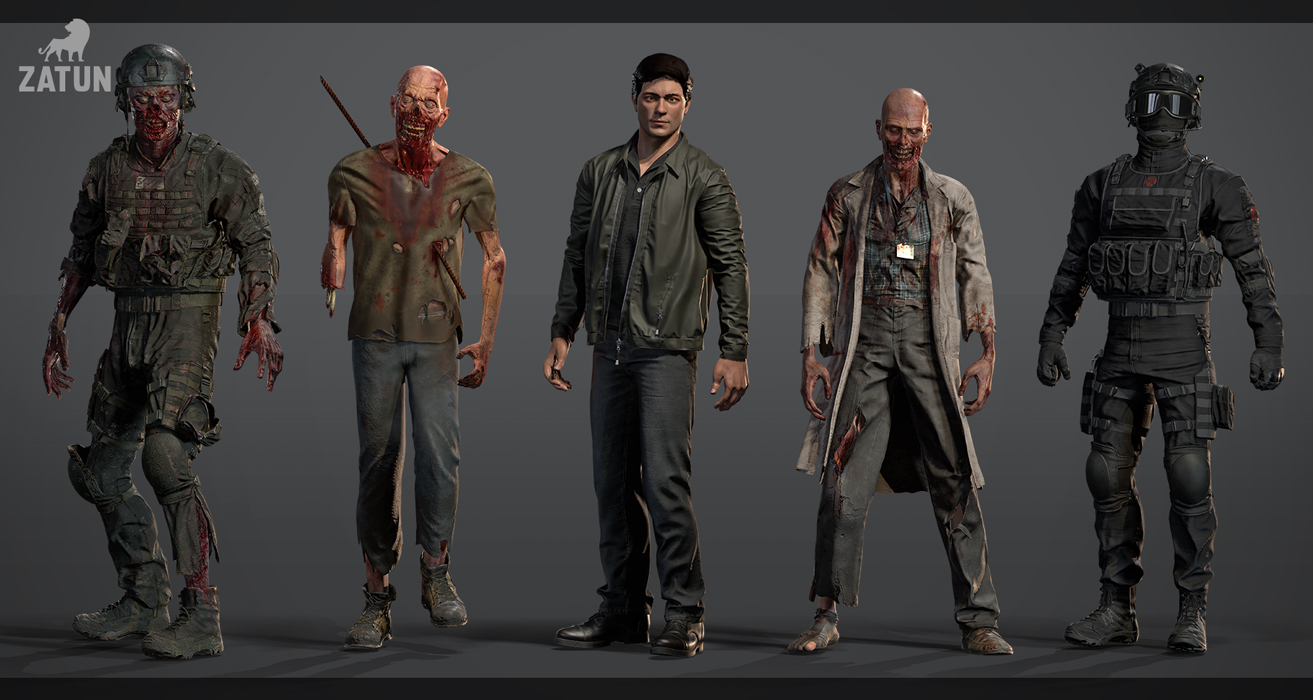
Characters carry the emotional weight of a game, so 3D character modeling is where most of our clients start. From hero characters to background crowds, the work has to hold up under a close camera and still perform inside your budget.
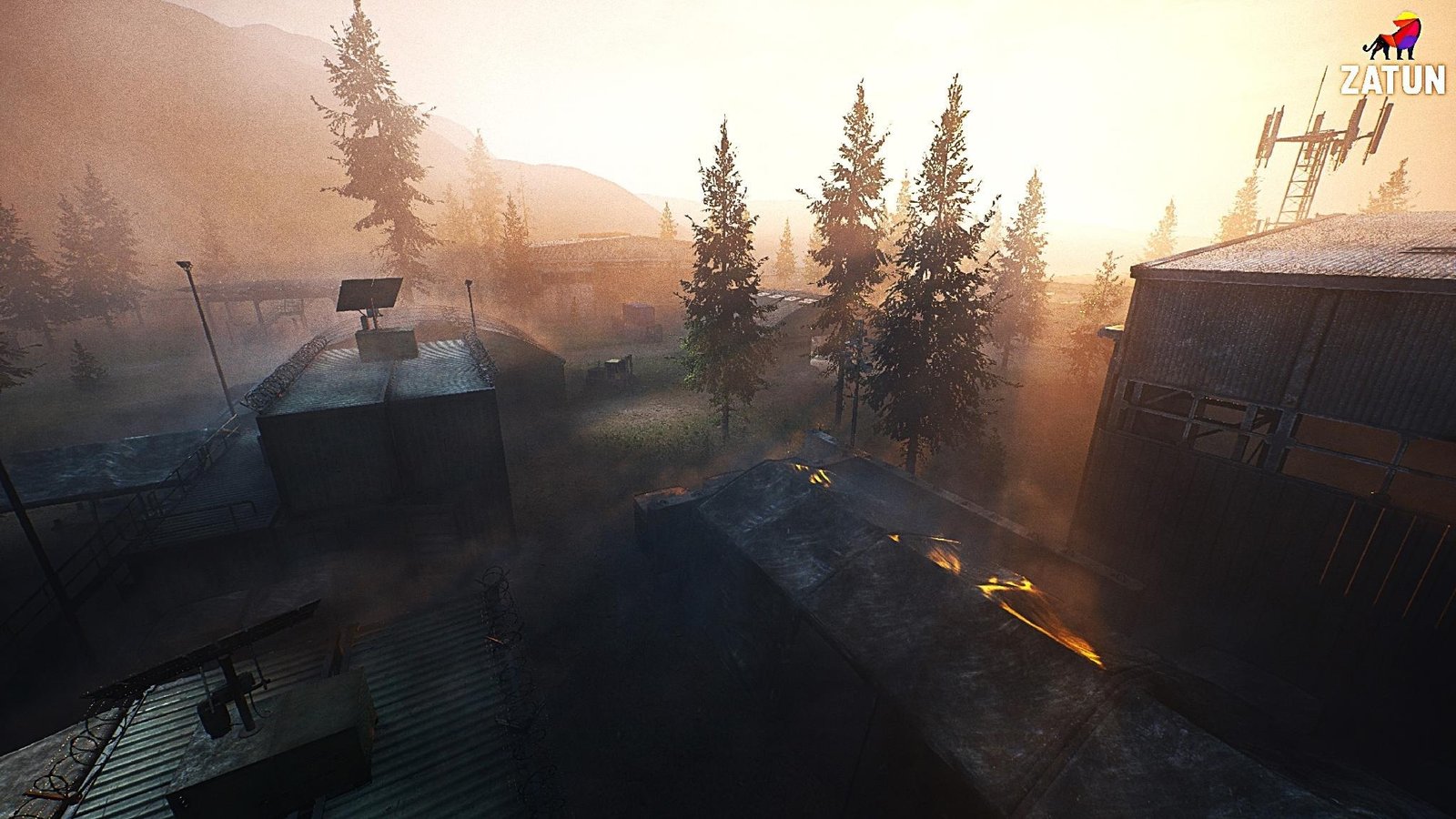
Around them sits environment and asset art, which is where a world either feels lived in or feels like a level. Good environment work is quietly technical, balancing silhouette, readability, and frame rate at the same time. If your project needs the full fidelity ceiling, that is what our AAA game art team exists for.
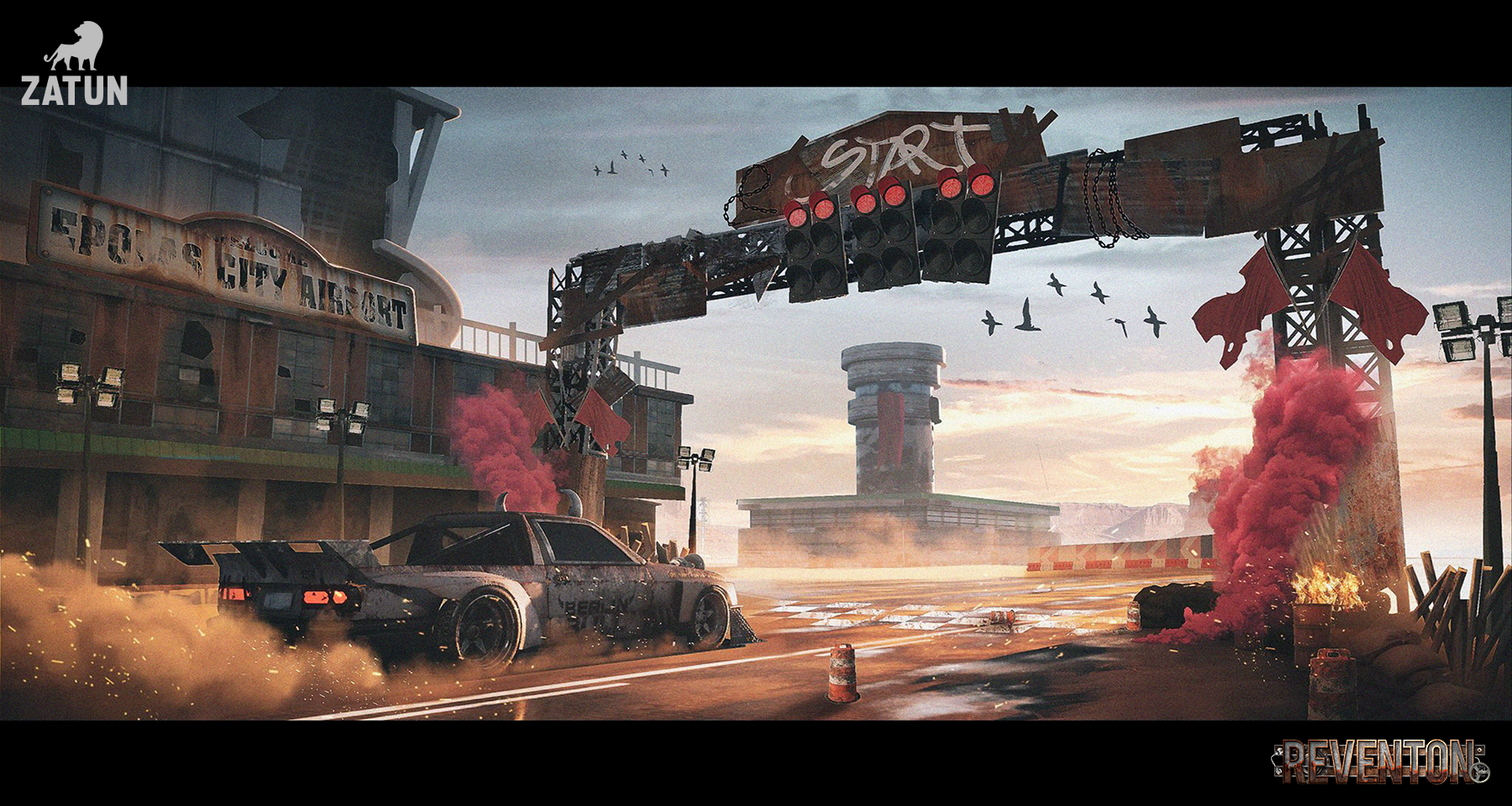
Upstream of all of it, concept art is the least expensive place to make expensive decisions. A week of exploration here regularly saves a month of modelling later. Downstream, 3D modeling services, animation, level design, and game UI and UX design round out a pipeline that can take a project from a mood board to a shipping build.
And when a client wants more than art, full-cycle development and co-development mean the same team can carry systems, gameplay, and porting as well. You can browse the actual work in our game art portfolio and our case studies.
Why so much of the world’s game art is made in India
The honest answer is talent density plus operating cost, in that order. India now produces a large, well-trained pool of artists who grew up on the same games your players did, working the same tools and the same standards as anywhere else. The cost advantage is real, but it is the second reason, not the first. Studios that outsource purely on rate tend to learn an expensive lesson. We wrote about that at length in Why the World’s Smartest Game Studios Are Outsourcing to India.
If you are earlier in the process, two companion reads will save you money: Game Art Outsourcing: 5 Mistakes That Could Kill Your Project and our step-by-step guide to outsourcing 3D game art without losing quality.
We ship our own games, and that changes how we work on yours
Most art suppliers have never had to defend a release date. We have, more than twenty times.
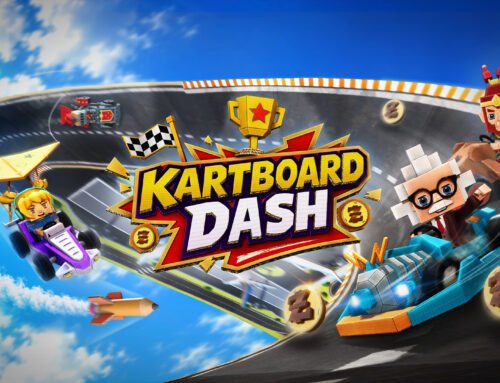
Alongside our client work, we build and publish original IP. SCP: Project Pneuma is our psychological survival horror title arriving on Steam this summer, and Kartboard Dash is our free-to-play competitive kart racer built entirely out of cardboard, with crossplay across PC, mobile, and console. Both are coming this summer.
This matters to you for an unglamorous reason. A studio that ships its own games knows exactly what a slipped milestone costs, because it has paid that bill itself. It understands why your producer wants the asset list broken down that way, why certification cannot be rushed, and why the last ten percent of polish is the part everyone remembers. You are hiring people who have stood where you are standing.
How a project with us actually runs
We start with your art bible, your references, and a frank conversation about what the schedule can bear. Then, before anyone commits to a large scope, we produce a test asset. It is the fastest, cheapest way for both sides to find out whether the style match is real, and it has saved more projects than any contract clause ever has.
From there the work runs on a milestone cadence you set, with a named producer accountable for your project, internal review before anything reaches your inbox, and delivery in engine ready format to your specification. When scope grows, we tell you what it costs in time before you commit, not after.

Frequently asked questions about game art outsourcing
Let’s talk about your project
We are Zatun, a game art outsourcing studio based in Ahmedabad, India, with an office in New Jersey and partners across the US, the UK, Europe, and Australia. We have been making games since 2007; we have more than twenty original titles behind us, and our shelves have a few awards on them that we are quietly pleased about.
Whether you need one character next month or an art team for the next three years, tell us what you are building and we will tell you honestly whether we are the right partner for it. Start with our game art outsourcing services, or simply get in touch.
biz@zatun.com | zatun.com | +91 92658 38537
Where Fun Gets Down to Business.